Vertical Inline Pump Maintenance For Commercial Buildings

Vertical Inline Pump Maintenance For Commercial Buildings

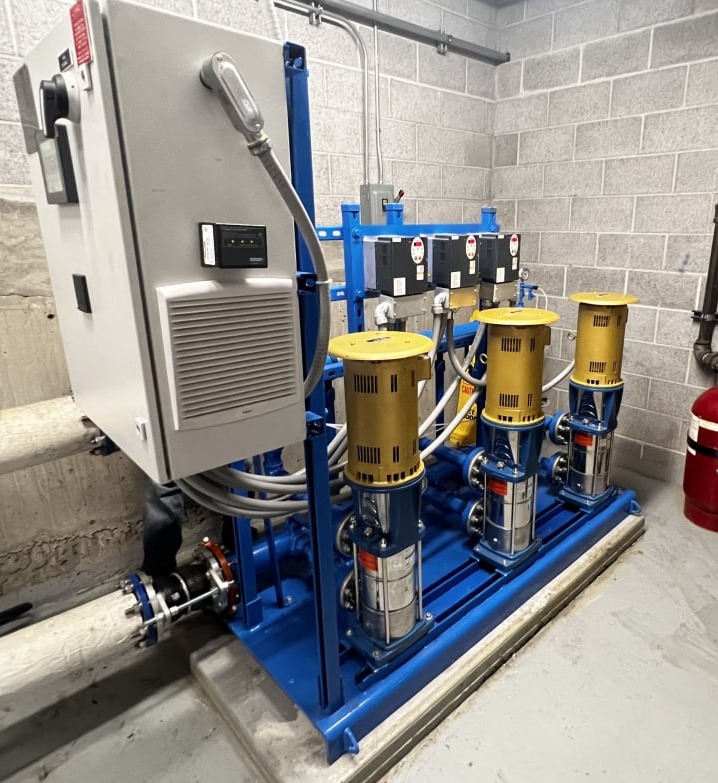
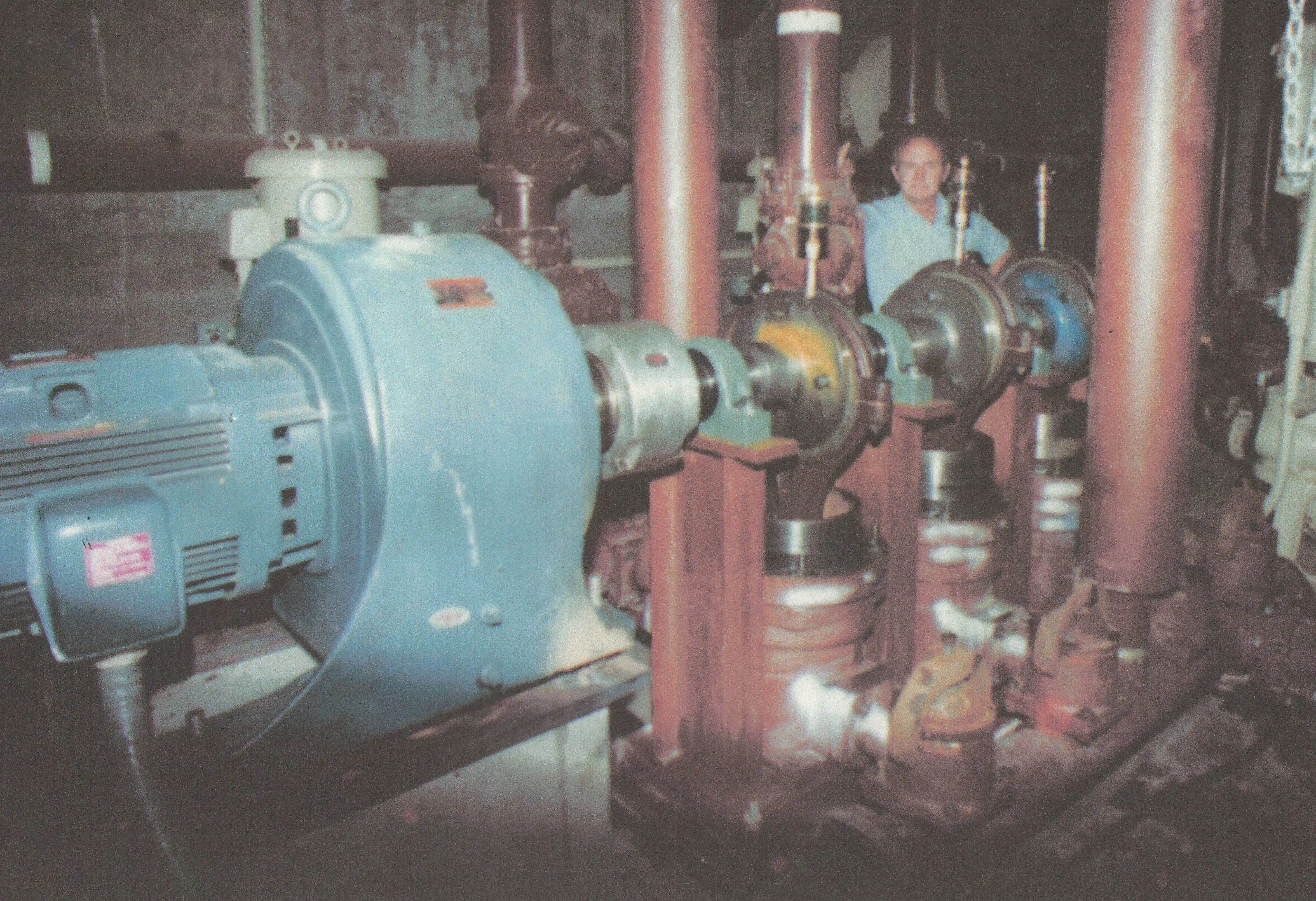
Vertical inline pumps are common in hydronic heating, chilled water, condenser water, and domestic water circulation systems because they save floor space and fit neatly into the piping. That compact layout is useful, but it can also hide developing problems until the pump begins leaking, vibrating, or failing controls at the worst time.

Because inline pumps become part of the piping geometry, they are especially sensitive to alignment condition, support condition, and pipe strain. A pump that looks mechanically simple from the outside may be carrying loads it was never meant to carry.

Why Inline Pumps Fail Repeatedly

Many repeat inline pump failures trace back to the same root conditions:

• Pipe strain from unsupported or shifted piping.

• Seal wear caused by heat, vibration, or poor water conditions.

• Bearing wear from misalignment or constant vibration.

• Air in the system reducing flow stability.

• Control problems that create short cycling or poor staging.

If one inline pump in a bank is failing more often than the others, compare not just the pump but also the branch piping, valve condition, and control sequence. The repeated failure may be telling you more about the system than about the pump alone.

What To Watch During Routine Checks

Routine inspection does not need to be complicated. Look for seal leakage, unusual noise, vibration at the volute or motor frame, hot bearings, and evidence that the piping is stressing the pump body. Check whether isolation valves are fully positioned as intended and whether the differential pressure or temperature response matches expected operation.

On variable speed systems, it is also worth checking whether the pump is spending too much time at the low or high end of its operating range. A control sequence that is technically functional can still create unnecessary cycling or unstable flow.

Seals, Bearings, And Supports Matter Together

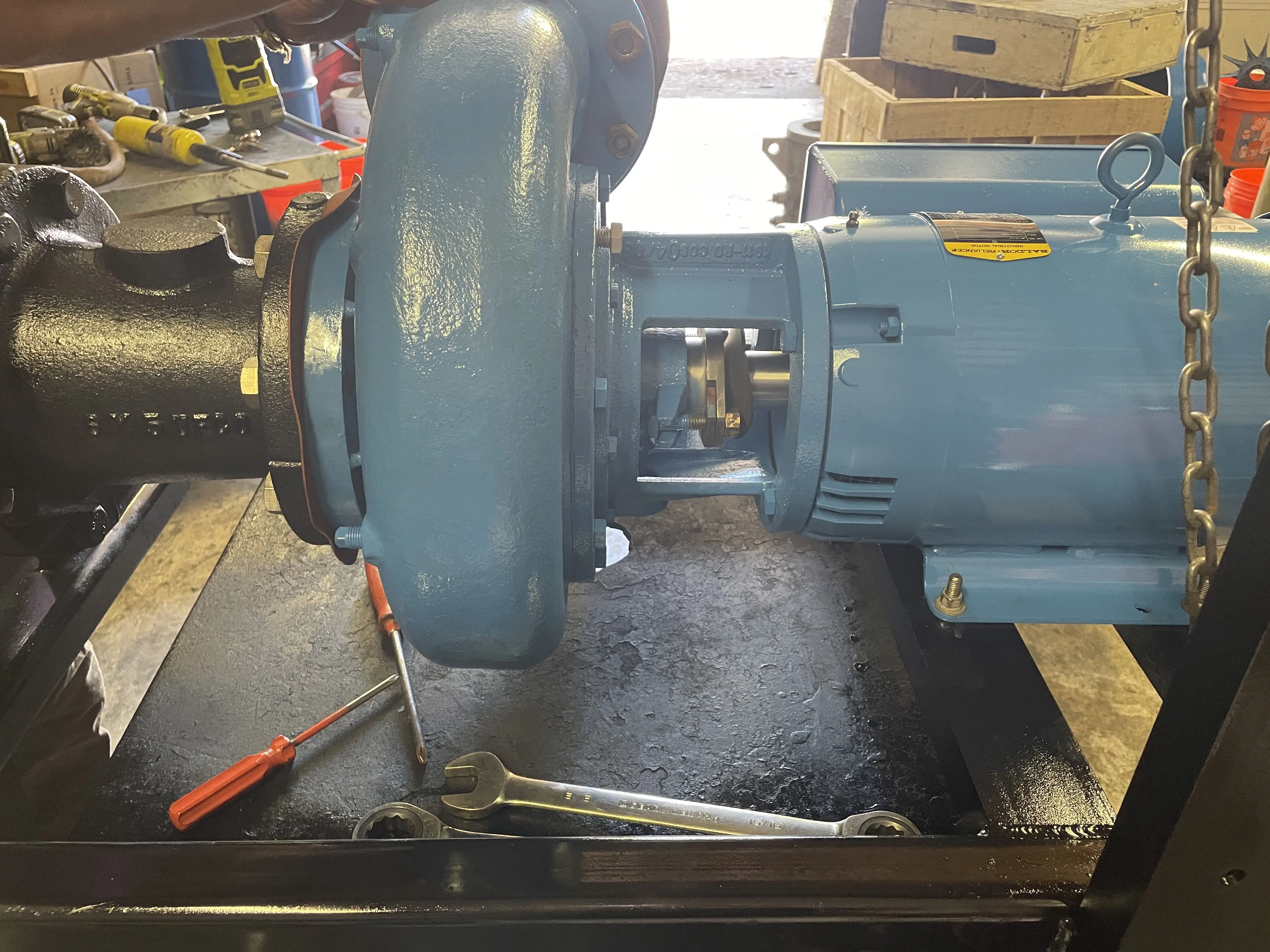
Mechanical seals and bearings are often treated as isolated wear items, but they usually reflect the condition of the whole assembly. If supports are loose, if pipe loads are shifting through the casing, or if the motor and pump are vibrating under unstable flow, the new seal or bearing will inherit the same problem.

That is why maintenance should include the installation condition and not just the replaceable parts. Inline pumps reward careful installation and punish shortcuts over time.

When To Call For Service

Call for service when an inline pump shows visible leakage, recurring vibration, hot bearings, noise that changes with speed, or repeated seal replacement history. Also call when the system is not maintaining temperature or flow even though the controls appear to be calling correctly. That often means the pump performance should be checked against actual operating conditions instead of assumptions.

RMS Pump services vertical inline pumps, hydronic systems, condenser water pumps, domestic water circulation systems, and related commercial pump equipment across Oregon and Washington.

When To Call RMS Pump

Call RMS Pump when a pump issue causes pressure loss, repeated starts, leaks, unusual noise, vibration, overheating, control trips, sewage backups, fire pump readiness concerns, or system downtime. RMS Pump services commercial, municipal, apartment, fire suppression, sewage, domestic water, and booster pump systems across Oregon and Washington.

Contact Us
Licensed, Bonded & Insured
  • UBI: 602 651 292
  • CCB#: 173135
  • L.P.I Electrical: #153CPI
  • © Copyright RMS Pump Inc. - All Rights Reserved