Pump Rotation Checks After Electrical Work

Pump rotation should be verified any time electrical work affects the motor or controls. That includes motor replacement, reconnection, starter replacement, VFD work, phase changes, or wiring repairs. On three-phase equipment, it does not take much for phase order to change, and a pump that turns the wrong direction may still sound like it is running.
That is what makes reverse rotation so easy to miss. The motor starts, the panel looks normal, and someone assumes the pump is back in service. Meanwhile the system may be moving far less water than expected or developing noise, heat, or repeated pressure complaints.
What Reverse Rotation Looks Like In The Field
On centrifugal pumps, reverse rotation usually means poor performance rather than zero movement. The pump may still spin, but it will not build the expected head or flow. Property teams may notice:
• Low discharge pressure after a motor or control repair.
• A booster system that cannot recover pressure.
• A hydronic loop that suddenly loses circulation.
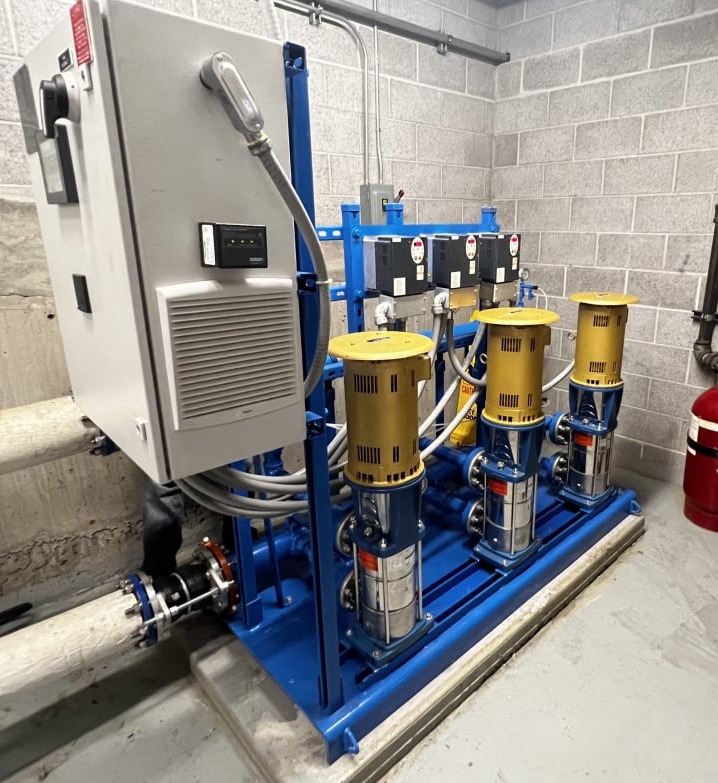
• A lift station pump that runs longer but clears the wet well poorly.
• Unusual noise or vibration immediately after startup.
If performance changed right after electrical work, rotation belongs near the top of the troubleshooting list.
Why Rotation Checks Matter
Running in reverse can waste hours of troubleshooting because the symptoms mimic other problems. Staff may suspect clogged strainers, bad impellers, air in the line, or a control issue when the real problem is phase sequence. In some systems, repeated reverse starts can also stress couplings, seals, and pump internals.
A quick rotation check during startup is much cheaper than a return trip, a flooded space, or a building-wide loss of pressure.
Rotation Should Be Verified, Not Assumed
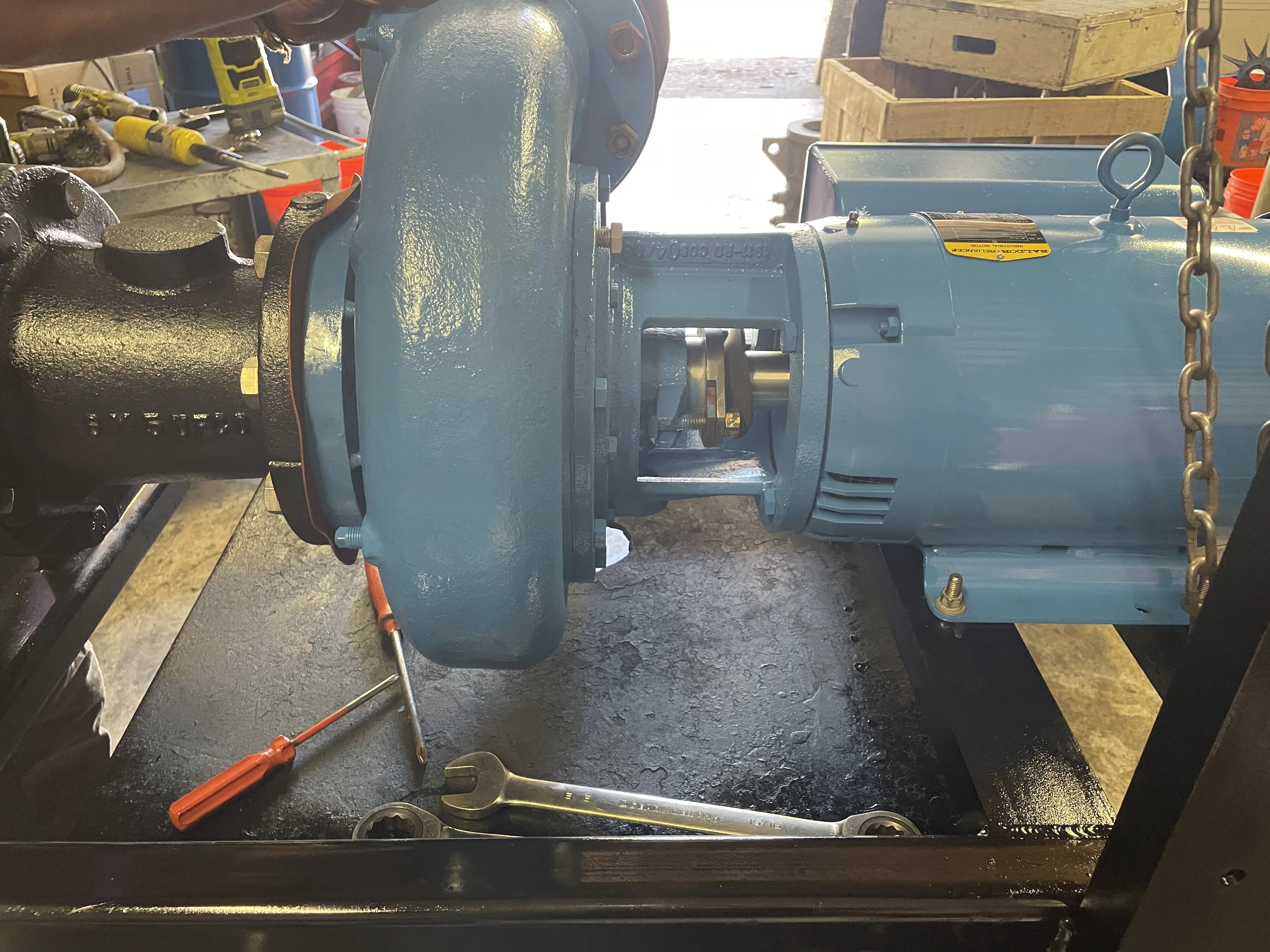
Nameplates, arrow stickers, and prior wiring notes are helpful, but they are not enough by themselves. Rotation should be confirmed during commissioning after any electrical change. On equipment where direct observation is limited, technicians may need to verify by coupling direction, motor fan direction, pressure response, or controlled bump testing based on the pump design.
This is especially important when:
• A motor was replaced with a new lead configuration.
• A VFD or starter was changed.
• Emergency work was done under time pressure.
• Multiple pumps were rewired at once.
When To Schedule Service
Schedule service when a pump's performance drops immediately after electrical work, rotation cannot be confirmed confidently, or the system is running but not building expected pressure or flow. A short startup verification can prevent a much larger outage.
RMS Pump helps commercial properties verify pump startup, rotation, controls, and field performance across Oregon and Washington.
When To Call RMS Pump
Call RMS Pump when a pump issue causes pressure loss, repeated starts, leaks, unusual noise, vibration, overheating, control trips, sewage backups, fire pump readiness concerns, or system downtime. RMS Pump services commercial, municipal, apartment, fire suppression, sewage, domestic water, and booster pump systems across Oregon and Washington.