
Pump Motor Overheating Causes In Commercial Systems

Pump motors rarely overheat for no reason. Heat is usually the result of a load problem, an electrical problem, a ventilation problem, or a pump that is operating too far away from where it should. Replacing a failed motor without correcting that underlying condition often turns one outage into a repeat outage.
For building engineers and property teams, the important question is not just whether the motor tripped. It is why the motor temperature climbed in the first place and whether the pump was already showing warning signs such as noise, high amp draw, short cycling, pressure instability, or reduced flow.
Overheating Is Often A System Problem
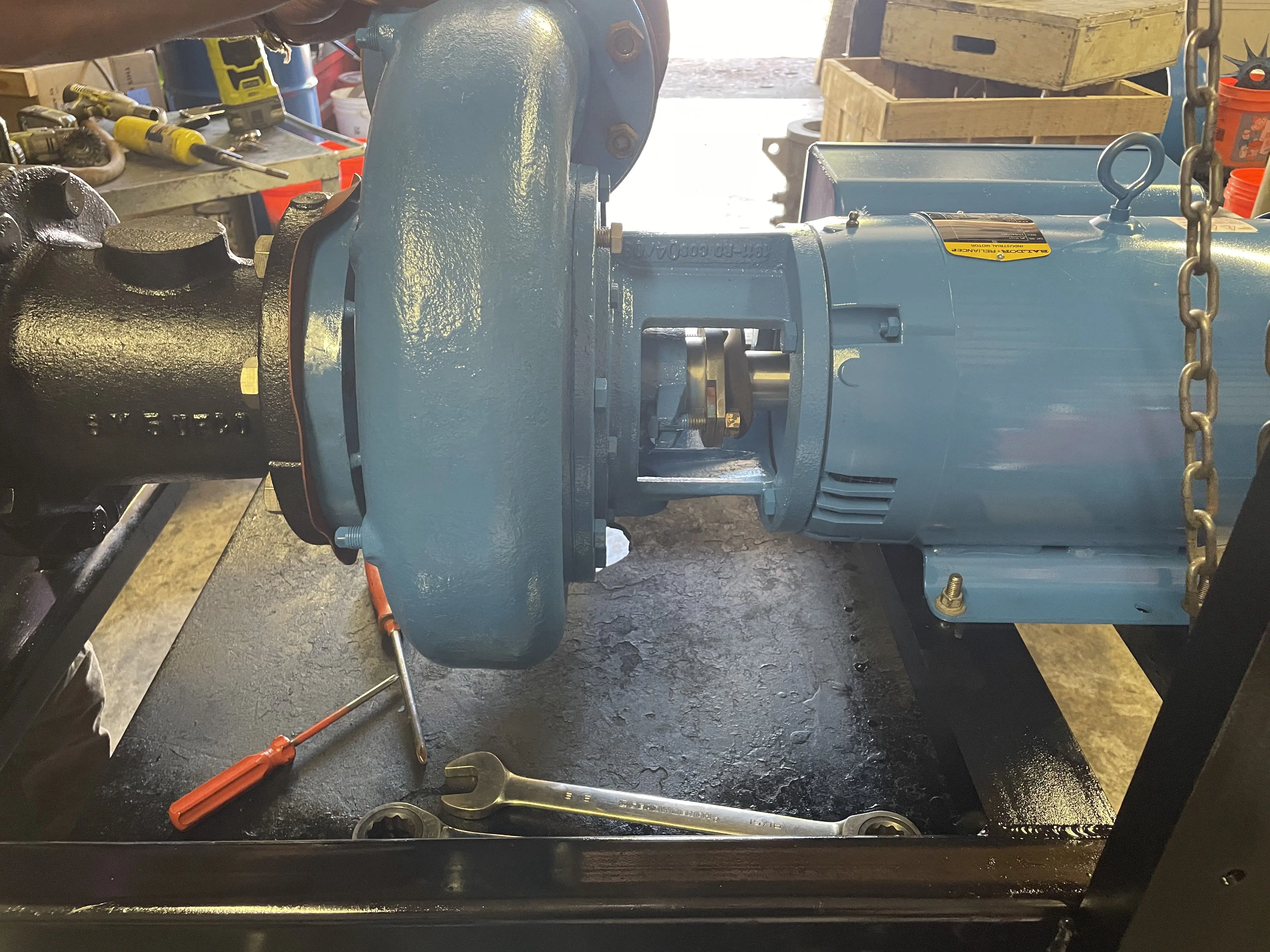
A motor can run hot because the pump itself is overloaded. Closed valves, suction restrictions, incorrect impeller trim, bearing drag, misalignment, or pipe strain can all change how much work the motor has to do. In other cases, the pump may be cycling too frequently because a tank, sensor, float, or control sequence is wrong. Repeated starts create heat even when the run time looks short.
Electrical issues matter just as much. Low voltage, phase imbalance, loose terminations, failing starters, overloaded drives, and poor control tuning can all push motor temperature up before a full trip occurs.
Common Clues In The Pump Room
Some overheating problems are visible before they become a shutdown:
• The motor housing is hotter than the same equipment nearby.
• Overload resets are becoming more common.
• The pump room feels excessively hot or poorly ventilated.
• A variable frequency drive is showing faults or operating at unusual speed ranges.
• Amp draw is consistently above expected operating levels.
Even small differences matter. A motor that runs only slightly hotter than normal every day may be telling you that ventilation has changed, a bearing is tightening up, or the pump curve no longer matches the system.
Ventilation And Environment Still Matter
Motor cooling depends on the surrounding environment. Dust buildup, blocked cooling passages, failed room exhaust, and high ambient temperature can all shorten motor life. This is easy to overlook in older mechanical rooms where several pieces of equipment share heat in a tight space.
Flooding risk and corrosion matter too. In sewage and wastewater environments, moisture and corrosive air can damage electrical connections and insulation long before a failure is obvious from the outside.
Why Repeated Resets Are A Bad Strategy
An overload trip is protection, not the fix. If a motor trips once because of a one-time abnormal load, a reset may be reasonable after inspection. If it trips again, repeated resets can cook insulation, damage starters, or hide the real cause until the station is fully down.
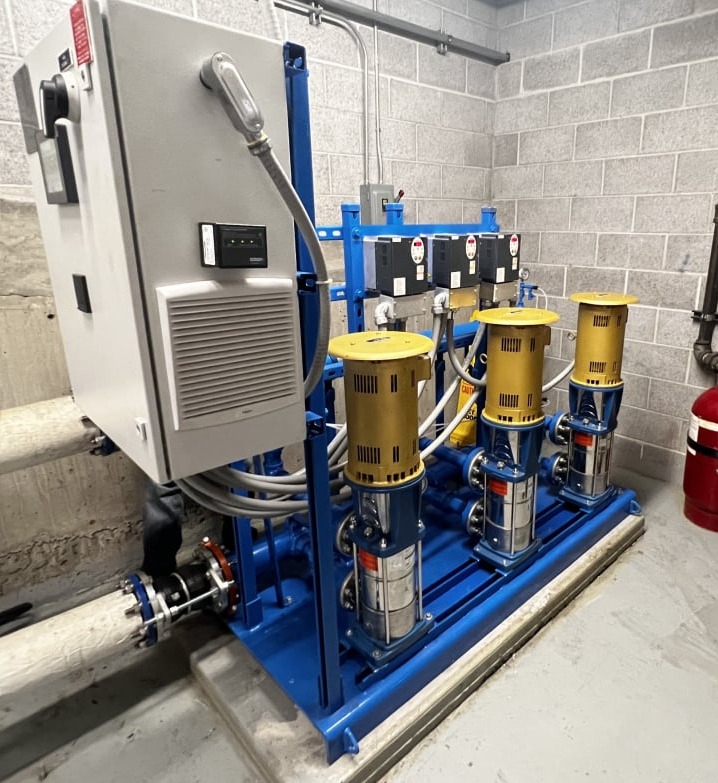
That is especially true on domestic water booster systems, lift stations, hydronic pumps, and fire protection support equipment where the cost of delayed troubleshooting is much higher than the cost of an early service call.
Call RMS Pump when motors are running abnormally hot, overloads are tripping, amp draw is climbing, or the same pump keeps returning to service only to fail again. We troubleshoot motor loading, alignment, bearings, controls, drives, and pump system conditions across Oregon and Washington.
When To Call RMS Pump
Call RMS Pump when a pump issue causes pressure loss, repeated starts, leaks, unusual noise, vibration, overheating, control trips, sewage backups, fire pump readiness concerns, or system downtime. RMS Pump services commercial, municipal, apartment, fire suppression, sewage, domestic water, and booster pump systems across Oregon and Washington.