

Pressure Tank Short Cycling In Booster Pump Systems

Water pressure tank connected to a pump and pressure controls
Image: Photo by W.carter, CC BY-SA 4.0, via Wikimedia Commons

Short cycling is one of the most common signs that a pressure tank or booster system needs attention. The pump starts, stops, and starts again with very little time between cycles. The building may still have water pressure, but the equipment is working harder than it should.

Short cycling is not just annoying. It increases motor starts, heats electrical components, wears contactors and drives, stresses mechanical seals, and can make pressure feel unstable at fixtures. In multi-pump systems, it can also interfere with lead-lag operation and make one pump carry more load than intended.

Why Pressure Tanks Matter

A pressure tank stores a small amount of usable water under pressure. That stored volume gives the system a cushion between pump starts. When the tank is sized, charged, and connected correctly, the pump does not need to start every time a small fixture opens.

When the tank loses air charge, has a failed bladder, is isolated by a closed valve, or is too small for the demand pattern, the pump may react to every small pressure change. The result is rapid cycling.

Common Short Cycling Causes

• Bladder or diaphragm failure inside the pressure tank.

• Incorrect air precharge.

• Isolation valve closed between the tank and system.

• Undersized tank for the building's usage pattern.

• Failed or leaking check valve.

• Pressure switch or transducer problems.

• VFD control settings that are fighting the tank.

• Waterlogged tank with little or no usable drawdown.

The tank is often blamed first, but it should not be the only item inspected. A bad check valve can let water move backward after the pump stops. A misreading transducer can make a VFD chase pressure. A small leak can create frequent starts during low-use periods.

What A Technician Checks

A proper inspection starts with the actual operating sequence. How often is the pump starting? How long does it run? Does the pressure drop immediately after shutdown? Is the tank connected to the same pressure zone the controls are reading?

The tank precharge should be checked with the water side depressurized. Checking air pressure while the tank is still under system pressure can give a misleading reading. If water comes from the air valve, the internal bladder or diaphragm has likely failed.

For VFD booster systems, the technician should also review setpoints, sleep mode, restart pressure, minimum speed, and sensor stability. A pressure tank can help a VFD system, but only if the control strategy is set up correctly.

Why Ignoring It Gets Expensive

Every motor start has a cost. Rapid cycling can shorten motor life, wear starters, damage contactors, cause nuisance trips, and stress seals and couplings. In some systems, short cycling can also create pressure swings that customers feel as pulsing or inconsistent flow.

Replacing the pump without correcting the cycling problem usually does not solve the issue. The new pump may fail the same way because the system condition did not change.

When To Schedule Service

Schedule service when a booster pump starts frequently during light demand, pressure fluctuates, the tank sounds full of water, or controls show repeated starts and stops. Early correction can prevent a pressure complaint from becoming a motor or control failure.

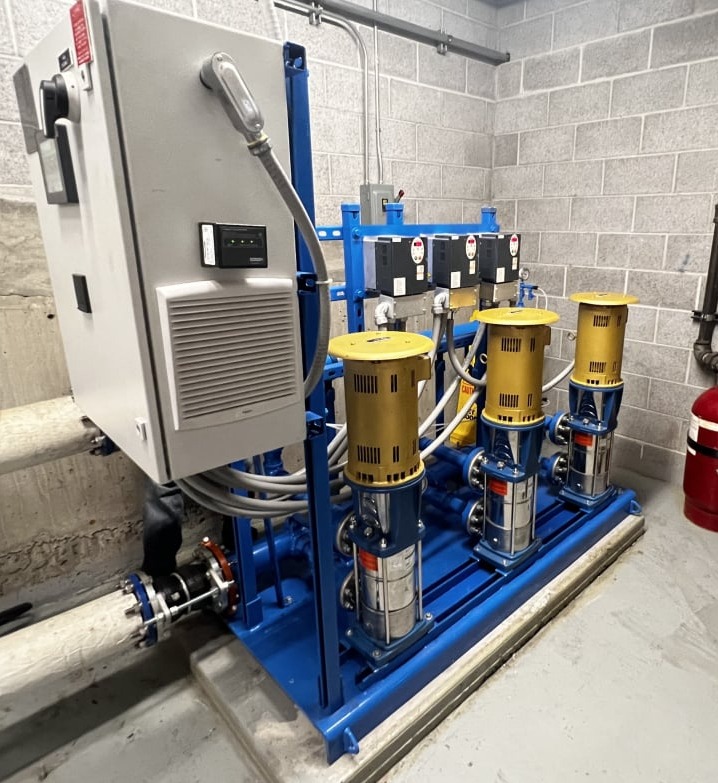
RMS Pump troubleshoots pressure tanks, booster pumps, VFD controls, check valves, and domestic water pressure systems for commercial and multi-family properties across Oregon and Washington.

When To Call RMS Pump

Call RMS Pump when a pump issue causes pressure loss, repeated starts, leaks, unusual noise, vibration, overheating, control trips, sewage backups, fire pump readiness concerns, or system downtime. RMS Pump services commercial, municipal, apartment, fire suppression, sewage, domestic water, and booster pump systems across Oregon and Washington.

Contact Us
Licensed, Bonded & Insured
  • UBI: 602 651 292
  • CCB#: 173135
  • L.P.I Electrical: #153CPI
  • © Copyright RMS Pump Inc. - All Rights Reserved