
Mechanical Seal Flush Plans And Why They Matter

Mechanical seals need the right environment to survive. The seal faces rely on a thin fluid film, stable alignment, proper cooling, and clean enough conditions for the materials in use. If the seal chamber runs hot, dry, abrasive, or unstable, a new seal can fail quickly even when it was installed correctly.
A seal flush plan is the arrangement used to move fluid through or around the seal chamber. The details vary by pump and application, but the goal is consistent: keep the seal faces lubricated, cooled, and protected from conditions that shorten seal life.
Mechanical Seal Basics
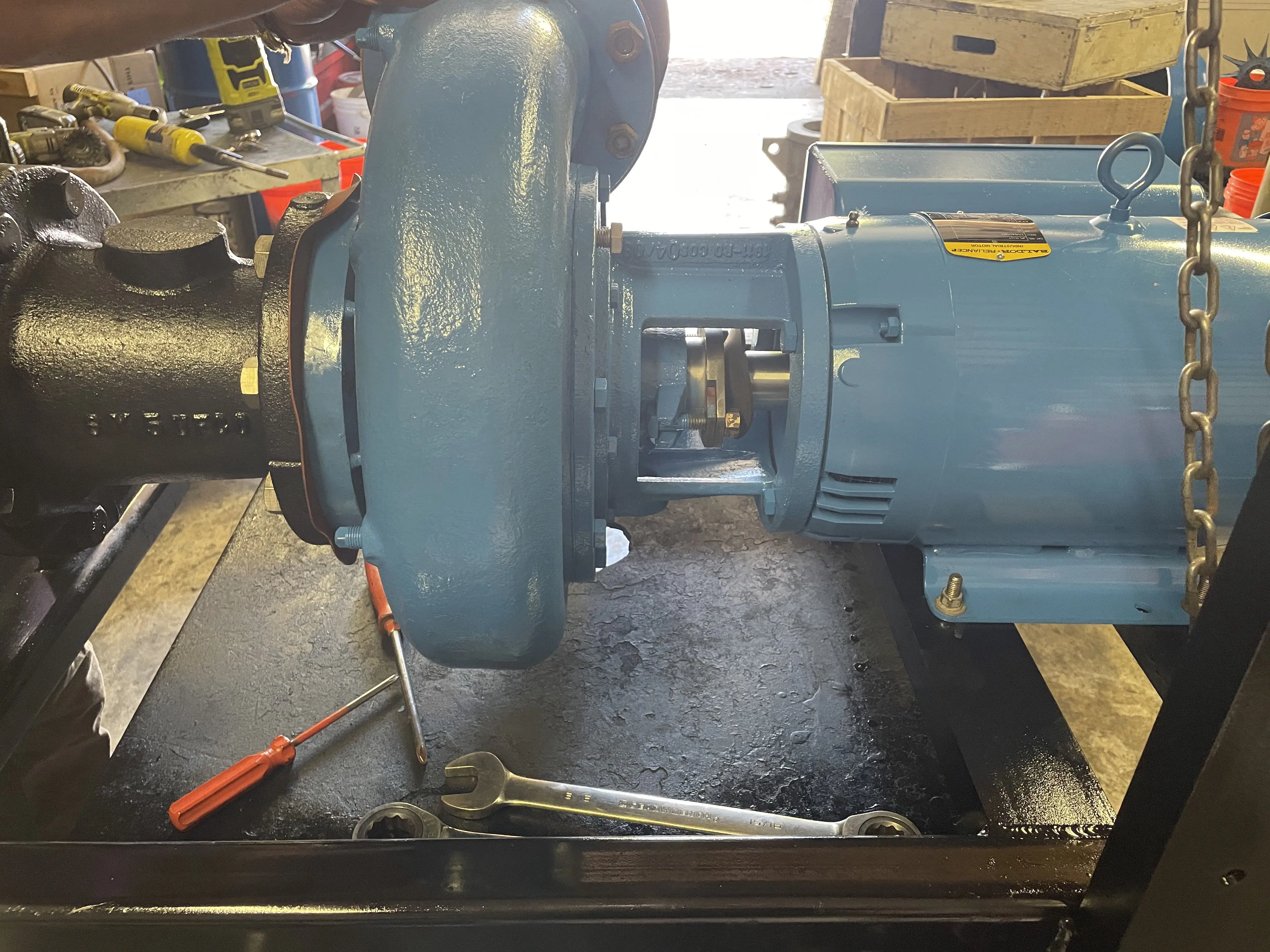
Mechanical seals are the sealing assemblies that help keep pumped liquid inside the pump where the rotating shaft passes through the housing. They are common in booster pumps, hydronic pumps, wastewater pumps, cooling tower pumps, and many other commercial systems.
Single seals, double seals, and cartridge-style seals each have different service expectations, but they all depend on the same fundamentals: stable alignment, correct materials, clean enough fluid, and adequate cooling at the seal faces. That is why flush conditions matter so much when a site keeps replacing seals.
Why Seals Fail Repeatedly
Repeated seal failure is often a symptom, not the root problem. The seal may be reacting to a system condition that has not been corrected.
Common contributors include:
• Dry running or loss of prime.
• Air trapped in the seal chamber.
• High temperature around the seal faces.
• Solids, scale, or debris in the pumped fluid.
• Cavitation or unstable suction conditions.
• Pump and motor misalignment.
• Excess vibration or pipe strain.
• Incorrect seal materials for the fluid and temperature.
• Flush line blockage or incorrect flush arrangement.
Replacing the seal without correcting these conditions can create a cycle of repeat repairs.
What A Flush Does
A flush can help remove heat, prevent solids from collecting around the faces, vent trapped air, or bring a cleaner fluid into the seal chamber. In some systems, the pumped liquid itself is used. In others, a separate clean source or engineered arrangement may be required.
The correct plan depends on the fluid, temperature, pressure, solids content, pump design, and operating conditions. A clean water booster pump does not need the same arrangement as a wastewater pump, chemical pump, or hot process pump.
Warning Signs Around The Seal
Seal leakage is the obvious sign, but other clues matter. Look for heat discoloration, dry residue, vibration, bearing noise, unstable pressure, unusual pump sound, and seal failures that happen soon after replacement. If the seal area is hot to the touch or the pump has been running without adequate liquid, stop and inspect before restarting.
Some leakage can be hazardous depending on the fluid. Commercial and industrial sites should treat unknown leakage carefully and follow site safety procedures.
Installation Still Matters
Even with a good flush plan, seals need correct installation. Shaft condition, sleeve wear, set screws, face cleanliness, elastomer compatibility, spring loading, and gland alignment all affect seal life. A small installation error can show up as leakage quickly.
Good service also includes checking the pump conditions that influence the seal: bearings, coupling alignment, impeller condition, suction pressure, and discharge pressure.
When To Review The Flush Plan
Review the seal flush plan when seals fail repeatedly, the pumped fluid changes, the pump is repurposed, solids increase, operating temperature changes, or the pump has been upgraded with new controls. A seal that worked in one operating range may not survive after the system changes.
RMS Pump repairs mechanical seals, evaluates seal failure patterns, and services pumps for commercial, municipal, wastewater, fire suppression, domestic water, and industrial systems throughout Oregon and Washington.
When To Call RMS Pump
Call RMS Pump when a pump issue causes pressure loss, repeated starts, leaks, unusual noise, vibration, overheating, control trips, sewage backups, fire pump readiness concerns, or system downtime. RMS Pump services commercial, municipal, apartment, fire suppression, sewage, domestic water, and booster pump systems across Oregon and Washington.