Lift Station Pump Maintenance For Reliable Sewage Service

Lift stations do hard work in places most people never see. They move wastewater from low elevations to higher discharge points so gravity can take over again. When a lift station fails, the result can be backups, odor complaints, emergency pumping, property damage, and environmental risk.
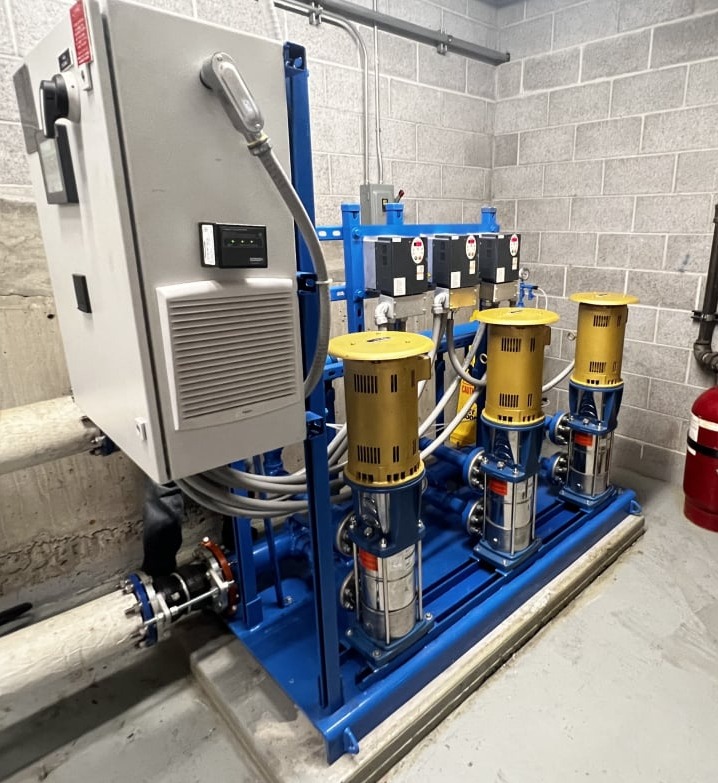
Good maintenance is not complicated, but it does need to be consistent. Pumps, wet wells, floats, guide rails, check valves, controls, alarms, and power supply all have to be part of the inspection routine.
What To Inspect
• Pump run times and alternation between lead and lag pumps.
• Wet well level controls, floats, transducers, and alarm points.
• Check valves, isolation valves, and discharge piping.
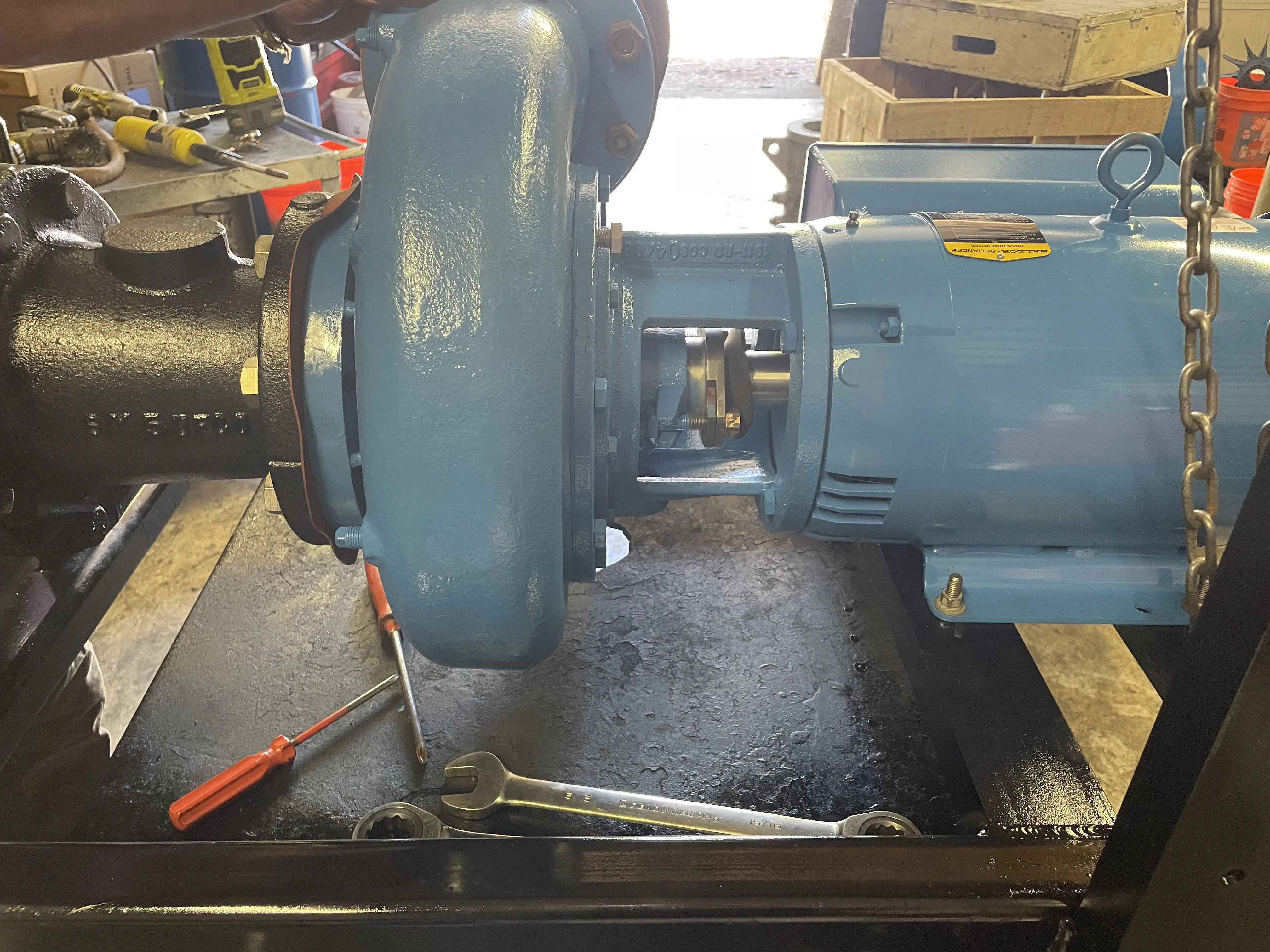
• Guide rails, lifting chains, pump seals, and cable condition.
• Control panel alarms, starters, overloads, and backup power connections.
• Odor, grease, debris, and unusual wet well buildup.
Maintenance records should show whether run times are changing. If one pump runs much longer than the other, the issue may be alternation, pump wear, clogging, a check valve problem, or a change in incoming flow.
Common Failure Patterns
Lift station failures often start small. A float hangs up. A check valve leaks back. A pump loses capacity because the impeller is worn or clogged. A cable jacket gets damaged. A control panel fault is cleared without finding the cause.
Each small issue can become a larger failure if it is not tracked. The station may still move water during light demand, then fail during peak flow or wet weather.
Wet Well Conditions Matter
The wet well tells you a lot about station health. Excess grease, wipes, rags, grit, and debris can create clogging and level-control problems. A station that frequently plugs may need operational changes, pump changes, or upstream corrections.
Confined-space hazards are serious in wastewater environments. Wet well entry should only be handled by properly trained and equipped personnel. Many inspections and pump removals can be planned from outside the wet well when the station is designed and maintained correctly.
Controls And Alarms
Controls should be tested before they are needed. High-level alarms, pump alternation, elapsed-time meters, overloads, and remote notifications all help prevent a small pump problem from turning into an overflow.
If the station has backup power, verify that the connection, transfer equipment, and operating plan are current. A working pump still cannot protect the site if it has no power during an outage.
Plan Maintenance Before An Emergency
Planned maintenance is less disruptive than emergency pumping and after-hours repairs. A routine schedule can include pump inspection, control checks, valve exercise, wet well cleaning coordination, and performance checks.
RMS Pump services sewage pumps, lift stations, controls, and related pumping equipment for commercial, apartment, municipal, and industrial customers in Oregon and Washington.
When To Call RMS Pump
Call RMS Pump when a pump issue causes pressure loss, repeated starts, leaks, unusual noise, vibration, overheating, control trips, sewage backups, fire pump readiness concerns, or system downtime. RMS Pump services commercial, municipal, apartment, fire suppression, sewage, domestic water, and booster pump systems across Oregon and Washington.