Lift Station High Water Alarm Response For Property Teams

Lift Station High Water Alarm Response For Property Teams

A high water alarm is not just another nuisance notification. It means the wet well level is rising beyond its normal operating range and the lift station is no longer keeping up the way it should. Sometimes the issue is temporary. Sometimes it is the early warning before a sewage backup, odor complaint, or full station outage.

Property teams do not need to diagnose every pump component on the first call, but they do need a calm response plan. The goal is to confirm whether the station is still moving water, identify obvious causes that can be reported clearly, and escalate service before the problem spreads through the building or site.

What The Alarm Usually Means

A high water condition usually points to one of a few categories:

• A pump did not start when the level rose.

• One pump is running but not moving enough flow.

• Both pumps are available, but controls are not alternating or calling the lag pump.

• The discharge line or check valve is restricted.

• Incoming flow is temporarily higher than the station can handle.

The alarm itself is not the root cause. It is the symptom that tells you the water level and pump response are no longer in balance.

First Checks Staff Can Make Safely

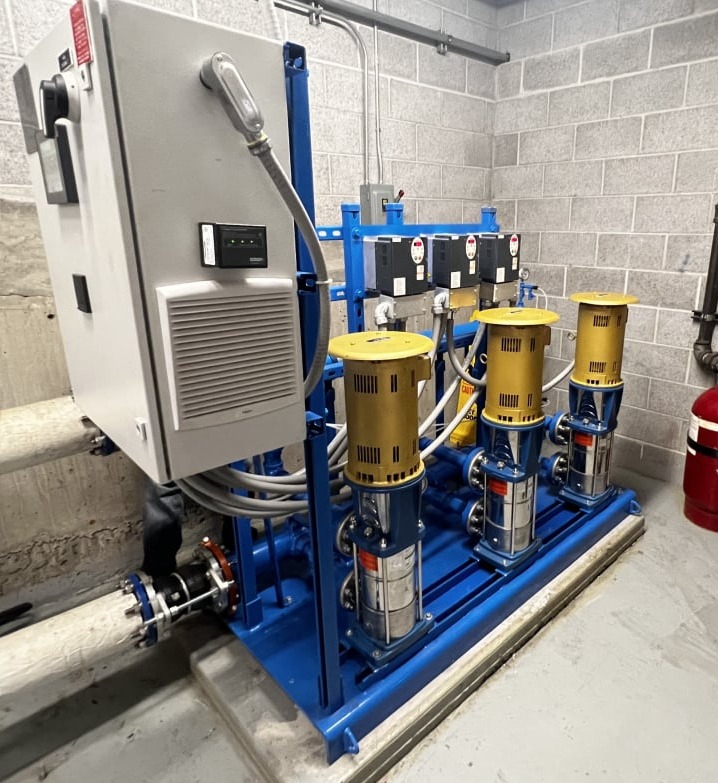
If site safety allows access to the control panel area, start with the simplest observations. Confirm whether power is on, whether the control panel shows a fault or overload, and whether one or both pumps appear to be called to run. Listen for obvious changes such as a pump humming without moving water, repeated short starts, or a station that is silent when the level is clearly high.

If the panel has a hand-off-auto selector, note its position. A station left in hand or off after previous work can create a false mystery when the real problem is control position. Do not force repeated restarts if the station is faulting or tripping. That can make the failure worse and remove useful troubleshooting evidence for the service technician.

Common Mechanical And Control Problems

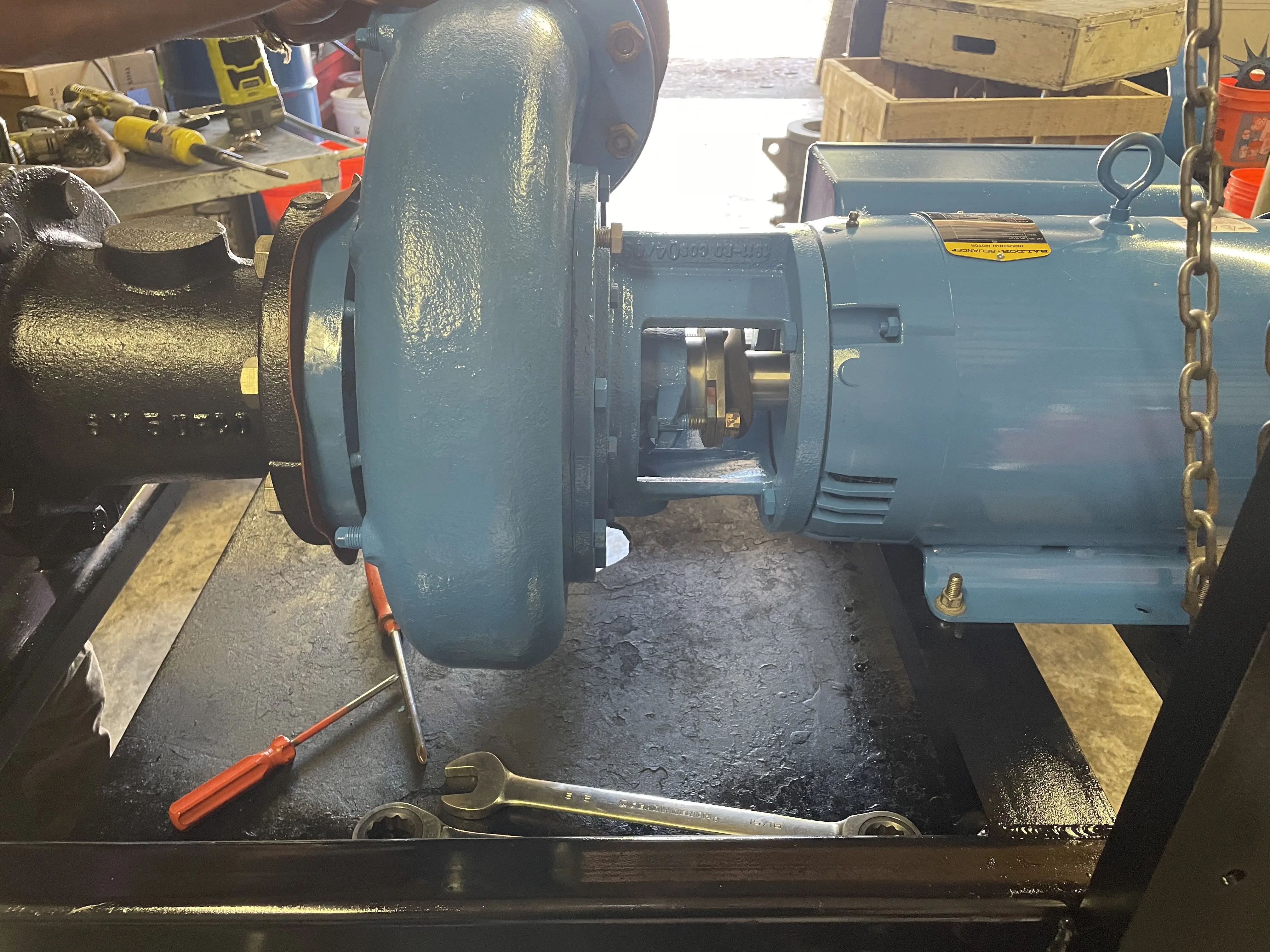
A lift station can alarm even when a pump motor is technically running. Worn impellers, plugged pump intakes, ragging, damaged check valves, air binding, or a blocked discharge line can all reduce actual pumping capacity. On duplex systems, a failed float, failed transducer, stuck relay, or bad alternator logic can also leave one pump doing all the work until it can no longer keep up.

When alarms repeat, the service call should look beyond the immediate reset. Repeated high water alarms usually mean the station is losing capacity, control reliability, or both.

What To Report When You Call

Good field notes shorten downtime. When you call for service, report:

• Whether the alarm is steady or intermittent.

• Whether one pump, both pumps, or neither pump appears to run.

• Any visible panel fault or overload light.

• Whether odors, slow drains, or backups are already happening.

• Whether the station recently had storms, grease loading, wipes, or unusual discharge volume.

That information helps the service team arrive prepared for controls, pump removal, discharge problems, or emergency bypass decisions.

Call RMS Pump when a lift station high water alarm repeats, pumps fail to clear the wet well, the panel shows recurring faults, or backups are beginning to affect the property. We service sewage pumps, duplex lift stations, alarms, controls, check valves, and related wastewater systems across Oregon and Washington.

When To Call RMS Pump

Call RMS Pump when a pump issue causes pressure loss, repeated starts, leaks, unusual noise, vibration, overheating, control trips, sewage backups, fire pump readiness concerns, or system downtime. RMS Pump services commercial, municipal, apartment, fire suppression, sewage, domestic water, and booster pump systems across Oregon and Washington.

Contact Us
Licensed, Bonded & Insured
  • UBI: 602 651 292
  • CCB#: 173135
  • L.P.I Electrical: #153CPI
  • © Copyright RMS Pump Inc. - All Rights Reserved