
Hydronic Circulator Pump Problems In Building Heating Systems

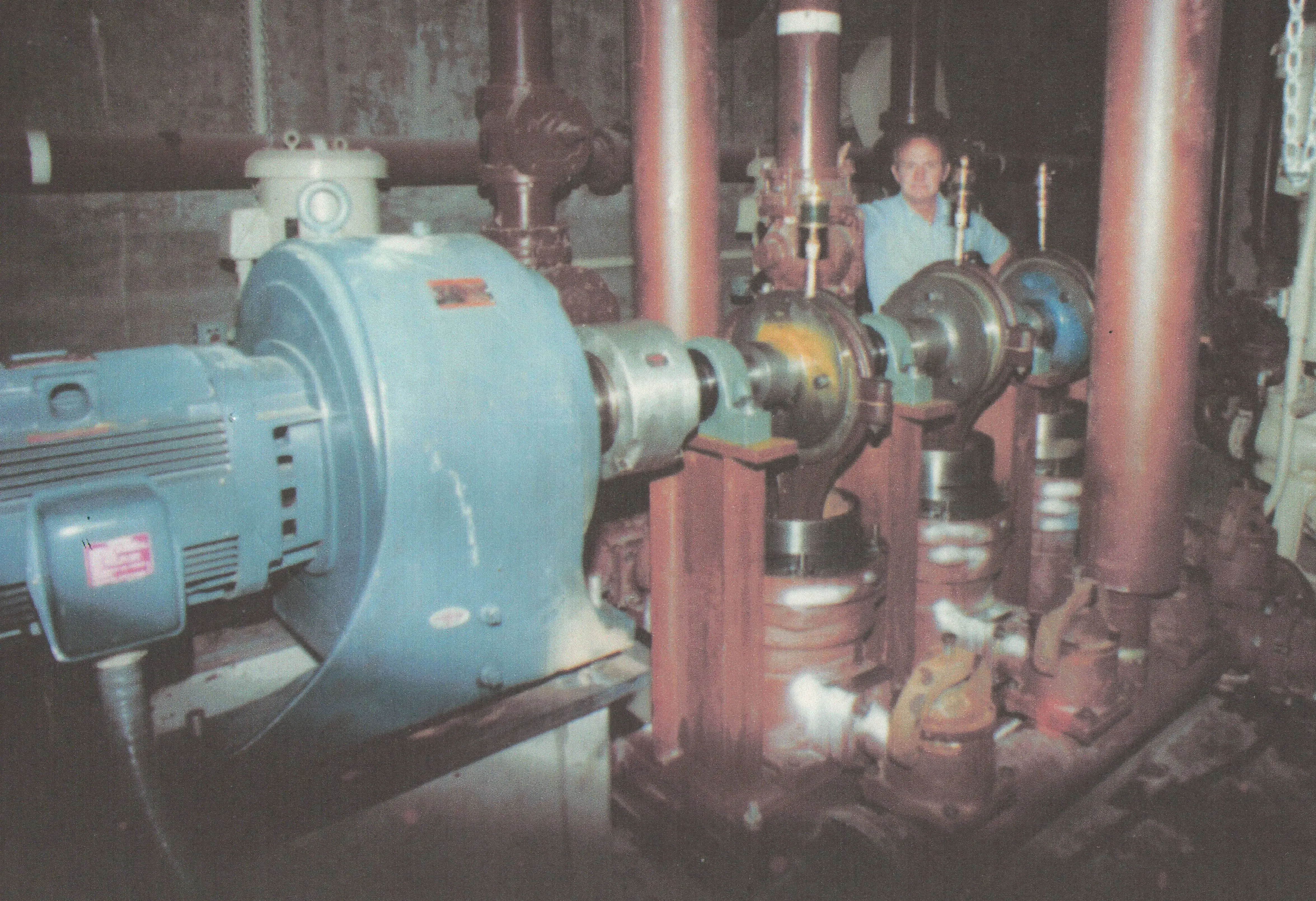
Pair of centrifugal pumps used for circulating hot water in a hydronic heating system
Image: Photo by Saud, CC BY-SA 4.0, via Wikimedia Commons

Hydronic heating systems depend on reliable circulation. Boilers, heat exchangers, coils, pumps, valves, expansion tanks, air separators, and controls all work together to move heat through the building. When circulation changes, comfort problems can appear long before the system fully fails.

A circulator pump problem may show up as cold areas, noisy piping, unstable temperatures, repeated pump faults, or poor heat transfer. The pump is important, but the surrounding system conditions are just as important.

Common Symptoms

• Some zones heat while others stay cold.

• Pump runs but little or no flow reaches the loop.

• Pump is noisy, hot, or vibrating.

• Air noise appears in piping or terminal units.

• Differential pressure changes unexpectedly.

• Controls call for heat but the pump does not start.

• Isolation or balancing valves are in the wrong position.

These symptoms can come from the pump, the controls, or the hydronic loop. A pump replacement may not fix a system that has air problems, closed valves, dirty strainers, failed check valves, or incorrect control settings.

Air And Low Flow

Air in a hydronic system can block circulation, cause noise, reduce heat transfer, and make pumps run poorly. Low system pressure, failed expansion tanks, poor air elimination, leaks, and recent service work can all introduce air or allow it to collect.

Low flow can also come from clogged strainers, fouled heat exchangers, stuck valves, or pumps operating away from the correct point on the curve. Flow and pressure checks help separate a pump issue from a system issue.

Bearings, Couplings, And Motors

Noisy bearings, heat, vibration, and electrical faults should not be ignored. A failing circulator can still move water for a while, but it may be close to seizing, tripping overloads, or damaging connected components.

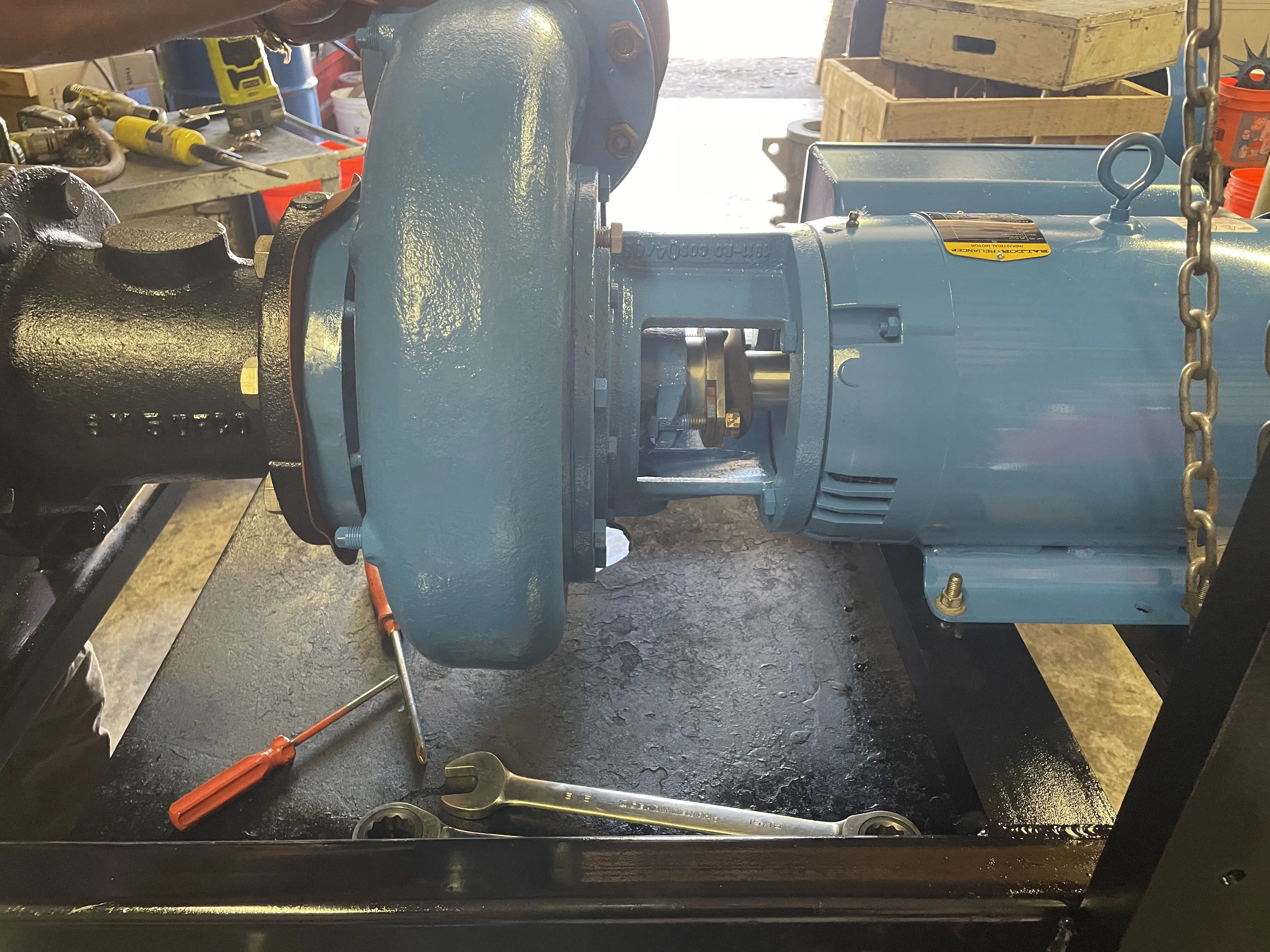
Motor amperage, bearing temperature, pump noise, and vibration all give useful clues. On larger pumps, alignment and coupling condition may also need to be checked.

Controls And Sequencing

Modern heating systems often include building automation, temperature sensors, VFDs, relays, starters, and lead-lag sequences. A pump may be mechanically sound but not receiving the correct call to run.

Confirm the control sequence before replacing parts. The call for heat, interlocks, enable signal, starter or drive output, and pump response should all be checked in order.

Preventive Maintenance

Routine hydronic pump maintenance should include visual inspection, leak checks, bearing and coupling checks, valve position verification, strainer checks, and review of control operation. Seasonal inspections help catch circulation problems before the heating load increases.

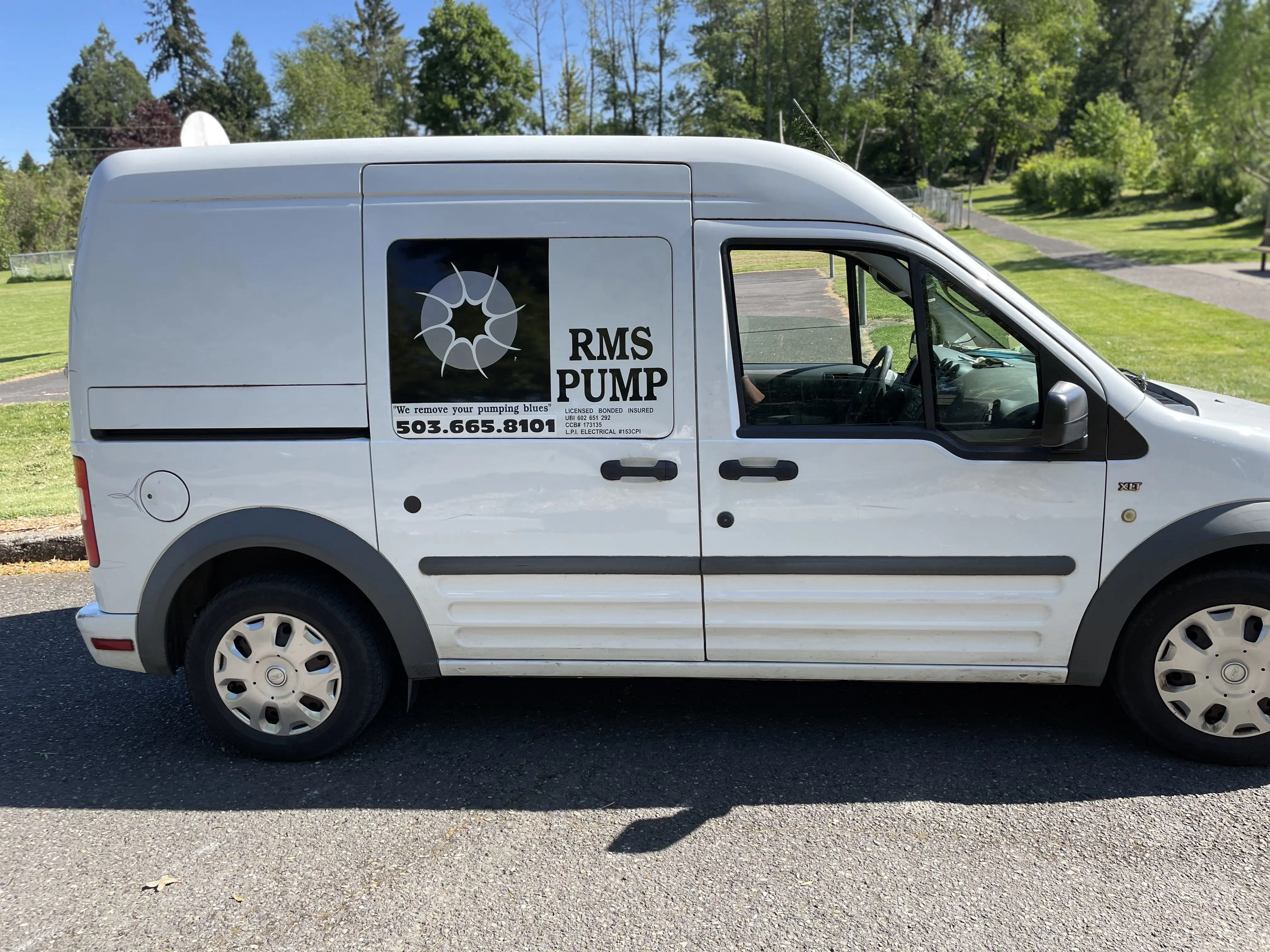
RMS Pump services commercial hydronic circulator pumps, heating system pumps, controls, and related equipment for buildings throughout Oregon and Washington.

When To Call RMS Pump

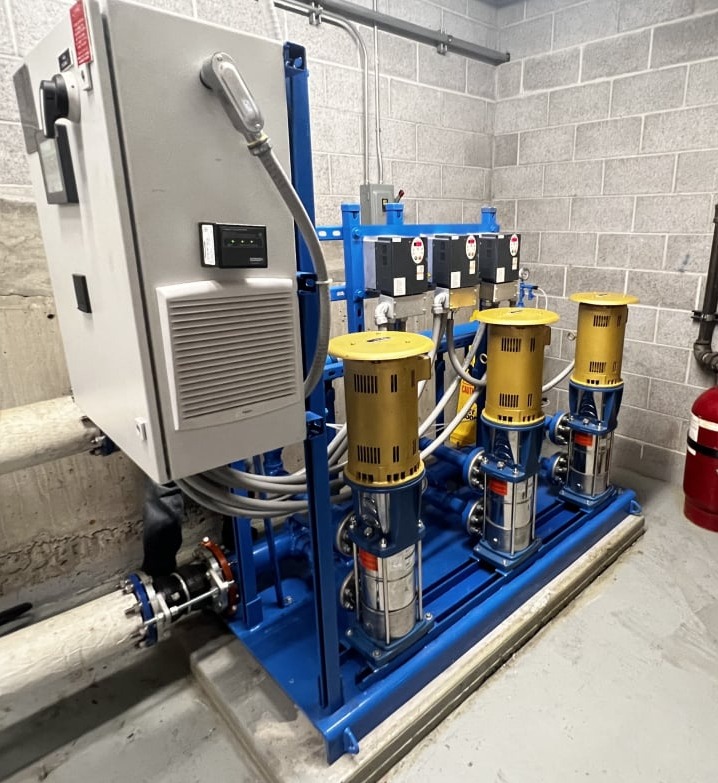
Call RMS Pump when a pump issue causes pressure loss, repeated starts, leaks, unusual noise, vibration, overheating, control trips, sewage backups, fire pump readiness concerns, or system downtime. RMS Pump services commercial, municipal, apartment, fire suppression, sewage, domestic water, and booster pump systems across Oregon and Washington.

Contact Us
Licensed, Bonded & Insured
  • UBI: 602 651 292
  • CCB#: 173135
  • L.P.I Electrical: #153CPI
  • © Copyright RMS Pump Inc. - All Rights Reserved