Fire Pump Annual Testing: What Building Teams Should Watch

Red vertical turbine fire pump and diesel engine in a fire pump room
Image: Photo by Todd A Stephens, CC BY 2.5/CC BY-SA 3.0, via Wikimedia Commons

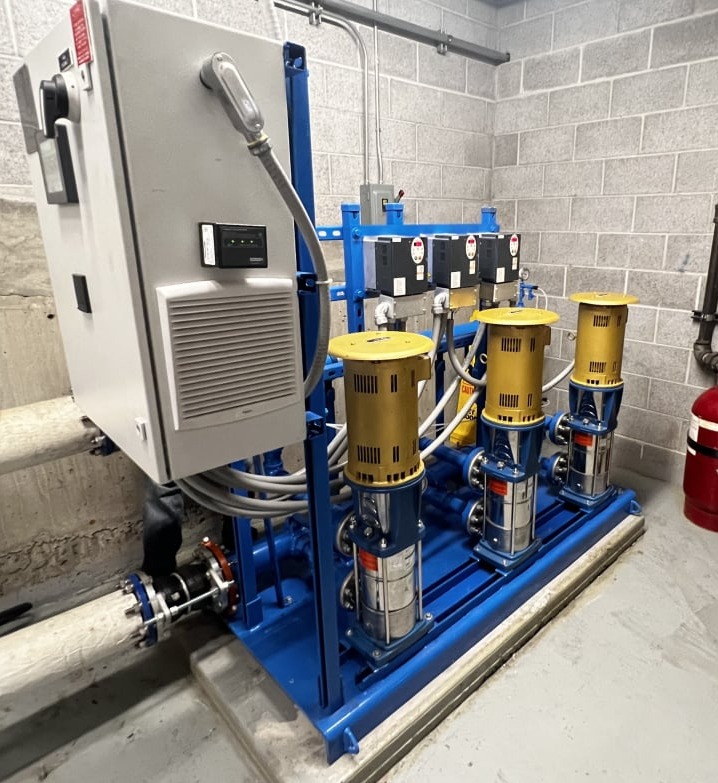
Fire pumps are life-safety equipment. The pump, driver, controller, valves, gauges, and water supply all have to work together when the system is called on. Annual testing is one of the best ways to find weak points before an emergency exposes them.

The exact test procedure and frequency should be coordinated with the fire protection provider, authority having jurisdiction, insurer, and applicable standards for the building. For facilities staff, the goal is to make the pump room ready, know what to watch during the test, and make sure defects are resolved.

Before The Test

• Confirm the pump room is accessible, clean, and not being used for storage.

• Check that valves are in their normal positions and are not chained or blocked incorrectly.

• Look for leaks around packing, mechanical seals, gauges, drains, and relief piping.

• Confirm controller displays are readable and no alarms are active.

• Review prior test reports so recurring issues are not treated as new surprises.

These checks do not replace the formal test. They reduce avoidable delays and help the test team focus on pump performance and system condition.

What The Test Can Reveal

Annual fire pump testing can expose problems that weekly checks may not show. A pump can start and run during a short churn check but still fail to deliver the required flow or pressure under test conditions.

Common findings include weak discharge pressure, excessive vibration, overheating, driver issues, packing leakage, controller faults, relief valve problems, or water supply limitations. Any of those findings should be documented and corrected by qualified personnel.

Watch The Pump Room During Operation

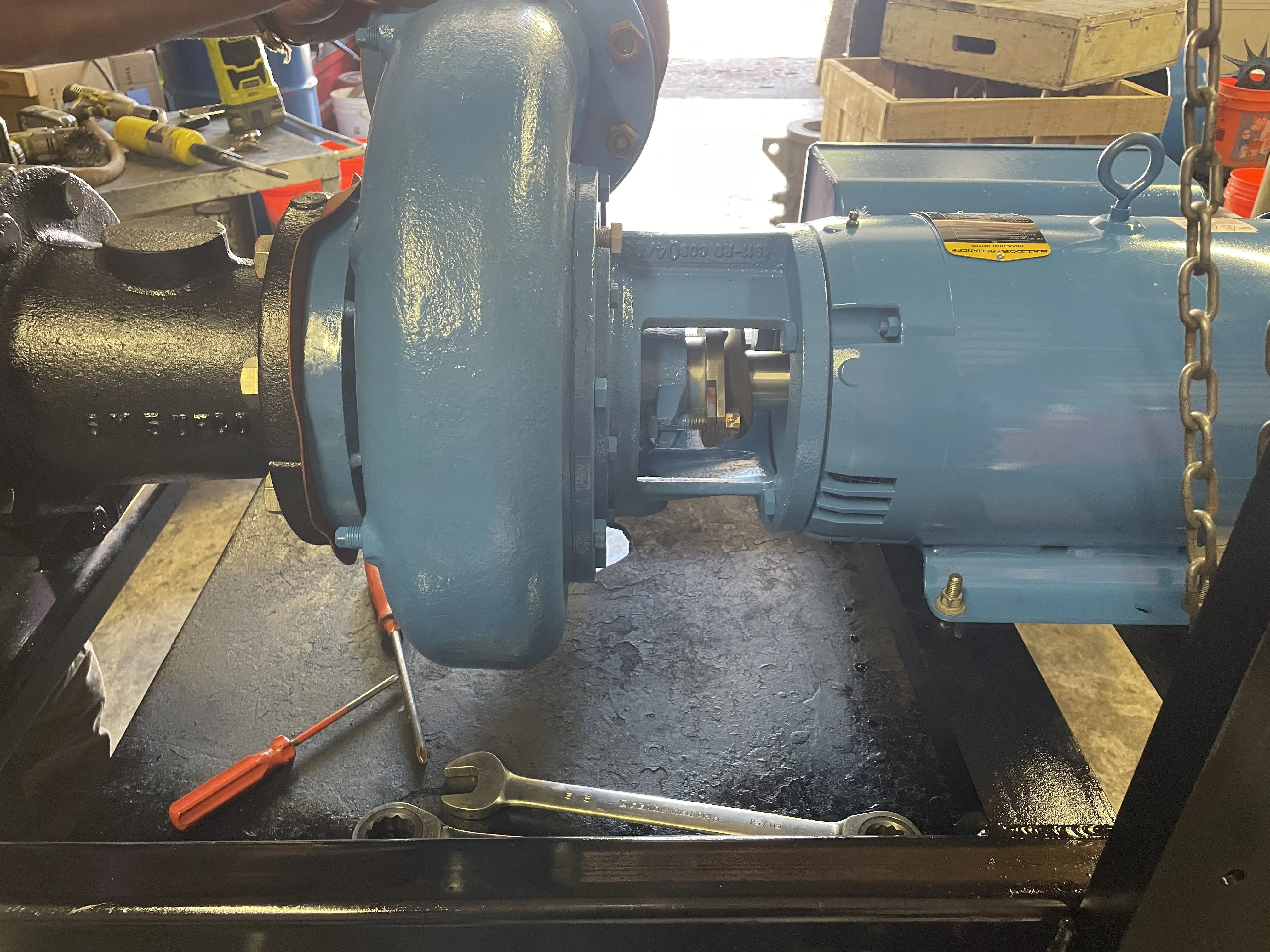
During testing, pay attention to sound, vibration, heat, and leakage. A change in sound can indicate air, cavitation, bearing wear, alignment trouble, or a piping issue. Excessive leakage may point to packing adjustment needs, seal failure, or worn sleeve surfaces.

Diesel-driven systems need special attention to batteries, fuel, cooling, exhaust, and ventilation. Electric-driven systems need attention to controller behavior, power supply, phase condition, and motor temperature.

Keep Records Useful

A test report should be more than a pass or fail note. Good records include pressures, flow points, controller observations, deficiencies, repairs made, and any recommendations for follow-up work.

Trend data matters. A slow pressure decline across several years can be more useful than a single test result. It gives the building team time to plan maintenance before the system reaches a failure point.

After The Test

After testing, confirm the system is restored to normal condition. Valves, drains, controllers, transfer switches, alarms, and pump room access should all be returned to their proper state. Open deficiencies should be assigned and tracked until complete.

RMS Pump supports fire pump service, maintenance, and repair for commercial and industrial facilities in Oregon and Washington. We work with building teams that need practical pump expertise alongside their fire protection testing program.

When To Call RMS Pump

Call RMS Pump when a pump issue causes pressure loss, repeated starts, leaks, unusual noise, vibration, overheating, control trips, sewage backups, fire pump readiness concerns, or system downtime. RMS Pump services commercial, municipal, apartment, fire suppression, sewage, domestic water, and booster pump systems across Oregon and Washington.

Contact Us
Licensed, Bonded & Insured
  • UBI: 602 651 292
  • CCB#: 173135
  • L.P.I Electrical: #153CPI
  • © Copyright RMS Pump Inc. - All Rights Reserved