
Cooling Tower Pump Maintenance For Commercial Buildings

Condenser water and chilled water piping connected to a shell and tube heat exchanger
Image: Photo by Ivangiesen, CC0, via Wikimedia Commons

Cooling tower and condenser water pumps keep heat moving out of commercial buildings. When those pumps lose flow, vibrate, clog strainers, or fail controls, the problem can quickly affect comfort, process loads, equipment efficiency, and chiller operation.

Cooling tower pump maintenance should happen before the system is under peak summer load. A pump that barely keeps up during mild weather may not protect the building when outdoor temperatures rise.

Seasonal Startup Checks

• Verify pump rotation, amperage, and operating pressure.

• Inspect couplings, guards, bases, and visible leaks.

• Check strainers, suction piping, discharge valves, and isolation valves.

• Confirm tower basin level, makeup water, and valve positions.

• Test starters, VFDs, sensors, safeties, and control commands.

• Watch for vibration, bearing noise, and seal leakage.

Startup is the right time to catch issues created by shutdown periods, previous repairs, corrosion, fouling, or valve changes. It is also the time to confirm the pump is moving water through the correct path.

Flow Problems

Low flow can come from clogged strainers, closed or partially closed valves, fouled heat exchangers, air pockets, worn impellers, incorrect pump speed, or controls that are not calling for the right output. A pressure reading alone may not tell the whole story.

Condenser water systems need enough flow for heat transfer, but excessive flow can also waste energy and create operating problems. Pump speed, valve position, and system balance should match the equipment requirements.

Vibration And Seal Life

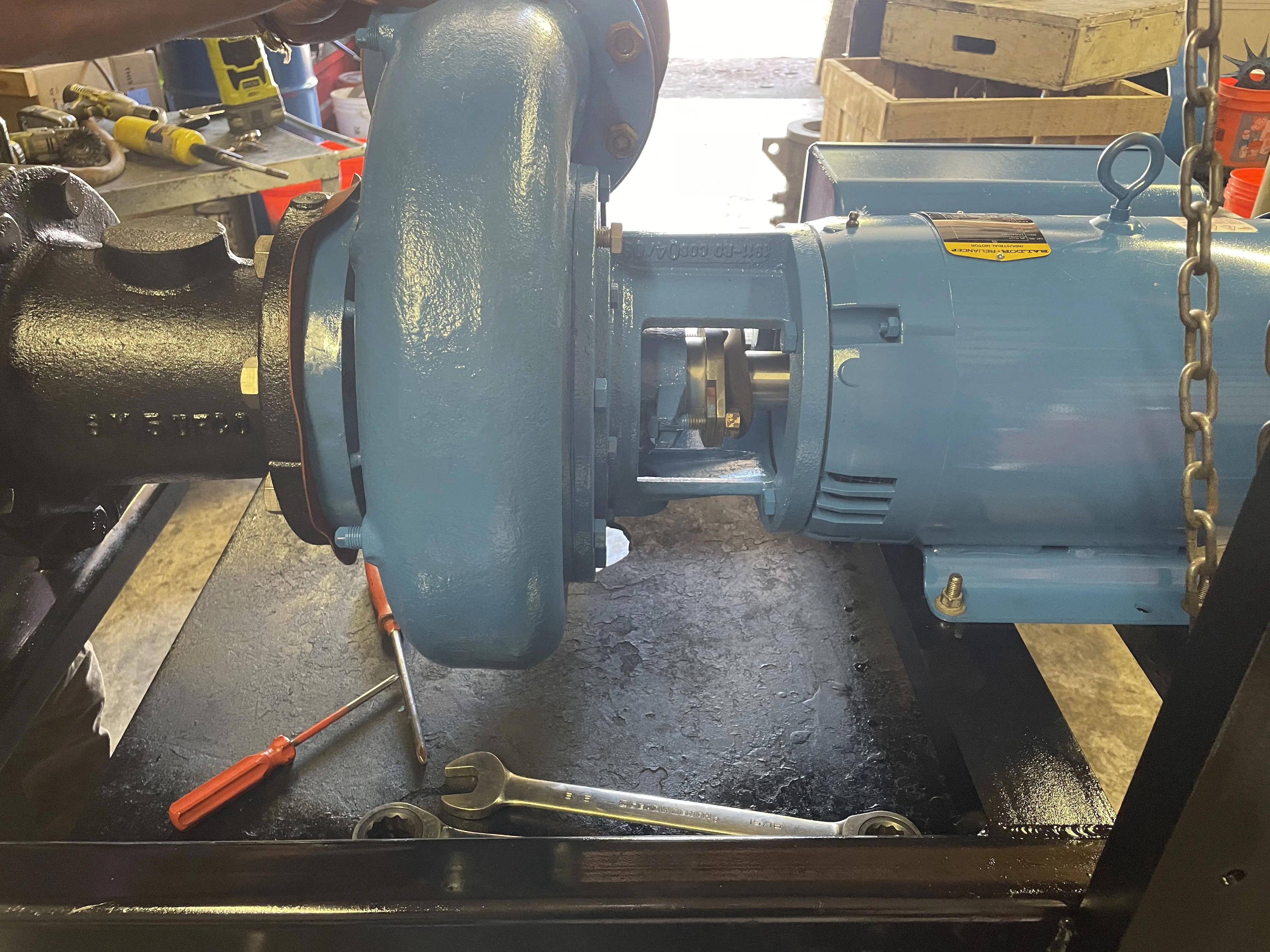
Cooling tower pumps often run for long hours. Alignment, bearing condition, coupling condition, pipe strain, and base stability all affect seal and bearing life. If seal leakage or bearing noise returns after repair, the underlying cause should be checked.

Vibration can also indicate hydraulic problems, including cavitation or operation away from the pump's intended range. The pump, piping, and controls should be reviewed together.

Controls And VFDs

Many condenser water systems use VFDs, automation commands, temperature sensors, bypass valves, and staging logic. A control issue can look like a pump issue, especially when a pump runs but does not respond to demand correctly.

Stored VFD faults, control trends, and operating readings can help identify whether the issue is electrical, mechanical, hydraulic, or related to building automation.

Plan Maintenance Around Building Loads

Cooling tower pump service is easiest to schedule before high-load weather. Planned inspection can reduce emergency shutdowns and help building teams prepare for seasonal demand.

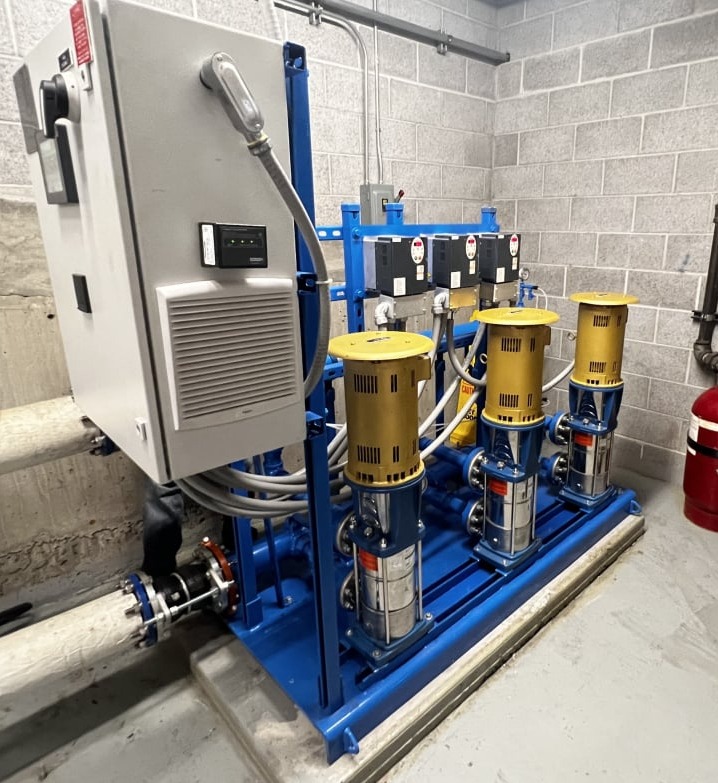
RMS Pump services cooling tower pumps, condenser water pumps, commercial HVAC pumps, controls, and related pump systems for facilities across Oregon and Washington.

When To Call RMS Pump

Call RMS Pump when a pump issue causes pressure loss, repeated starts, leaks, unusual noise, vibration, overheating, control trips, sewage backups, fire pump readiness concerns, or system downtime. RMS Pump services commercial, municipal, apartment, fire suppression, sewage, domestic water, and booster pump systems across Oregon and Washington.

Contact Us
Licensed, Bonded & Insured
  • UBI: 602 651 292
  • CCB#: 173135
  • L.P.I Electrical: #153CPI
  • © Copyright RMS Pump Inc. - All Rights Reserved